Timeline
La Revolución CubanaLa Revolución Rusa
|
La Independencia de Venezuela |
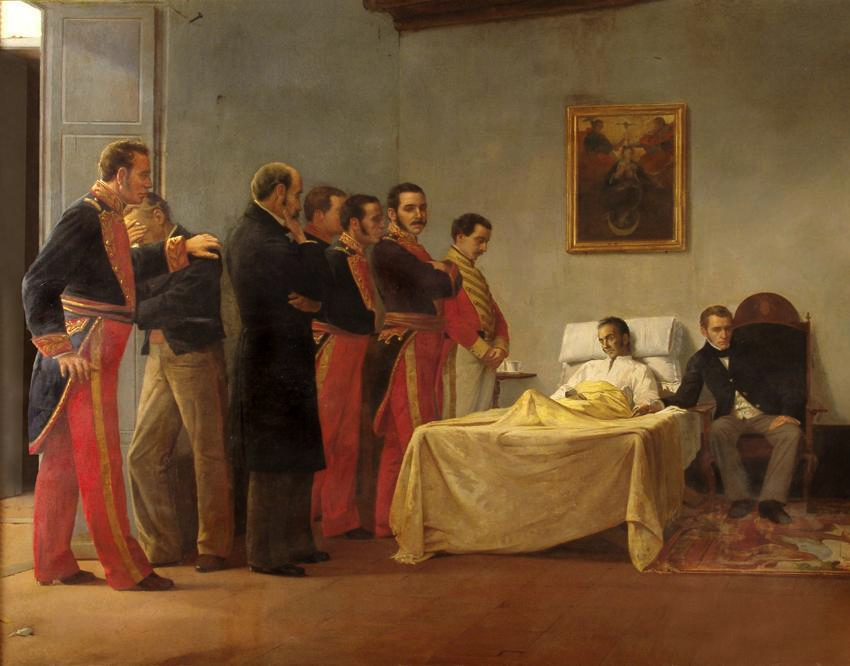
1830 |
12/17 |
Muerte de Simón Bolívar
Antonio Herrera Toro |
|
1821 |
06/24 |
Batalla de Carabobo | |
|
1811 |
07/05 |
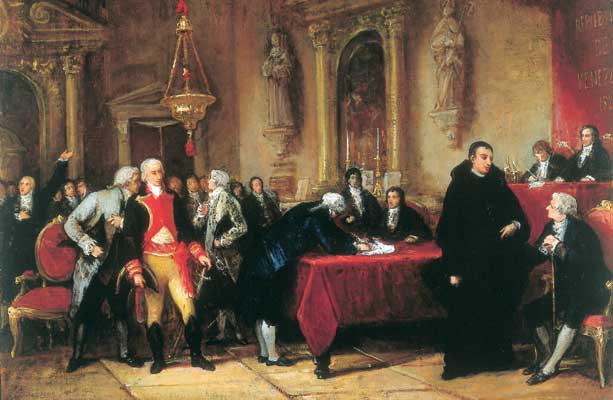
Firma del Acta de Declaración de Independencia
Martín Tovar y Tovar
| |
|
1810 |
04/19 |
Proclamación de independencia | |
|
1783 |
07/24 |
Nacimiento de Simón Bolívar |
|
The history of understanding the Atom |
|
|
Section |
|
|
|
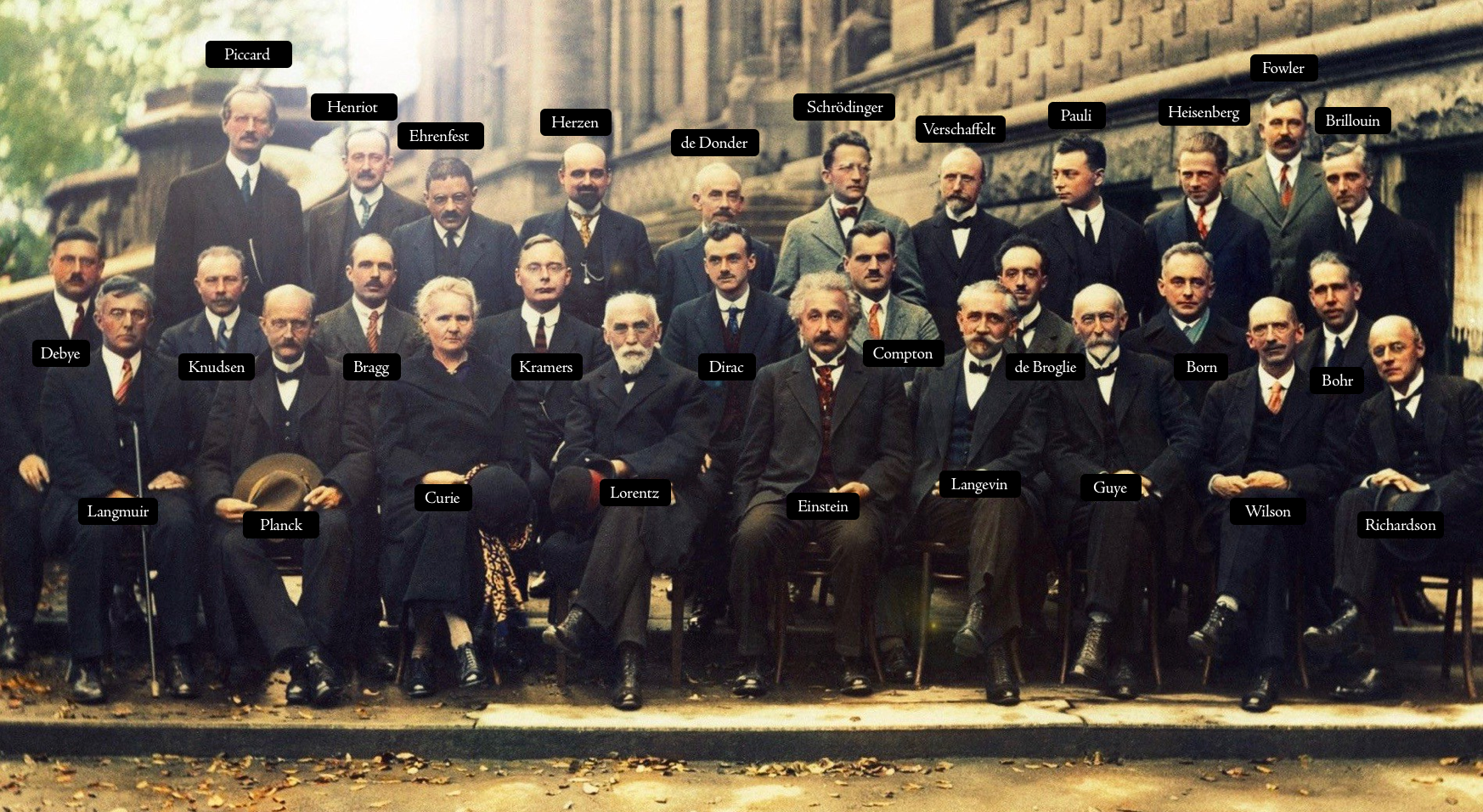
Fifth Solvay Conference | |
|
|
|

|
Theory of relativity |
|
|
Section |
|
|
|
Section | |
|
1879 |
14 March |
Albert Einstein's birth 14 March 1879, Ulm, Kingdom of Württemberg, German Empire - 18 April 1955 (aged 76), Princeton, New Jersey, United States  |
|
The history of understanding the Matter |
|
|
Section |
|
1754 - 1772 |
|
The discoveries of Carbon Dioxide, Hydrogen, and Nitrogen
Joseph Black (16 April 1728 - 6 December 1799) was a Scottish physicist and chemist, known for his discoveries of magnesium and carbon dioxide. He found that limestone (calcium carbonate) could be heated or treated with acids to yield a gas he called "fixed air." He observed that the fixed air was denser than air and supported neither flame nor animal life. https://en.wikipedia.org/wiki/Joseph_Black | |
|
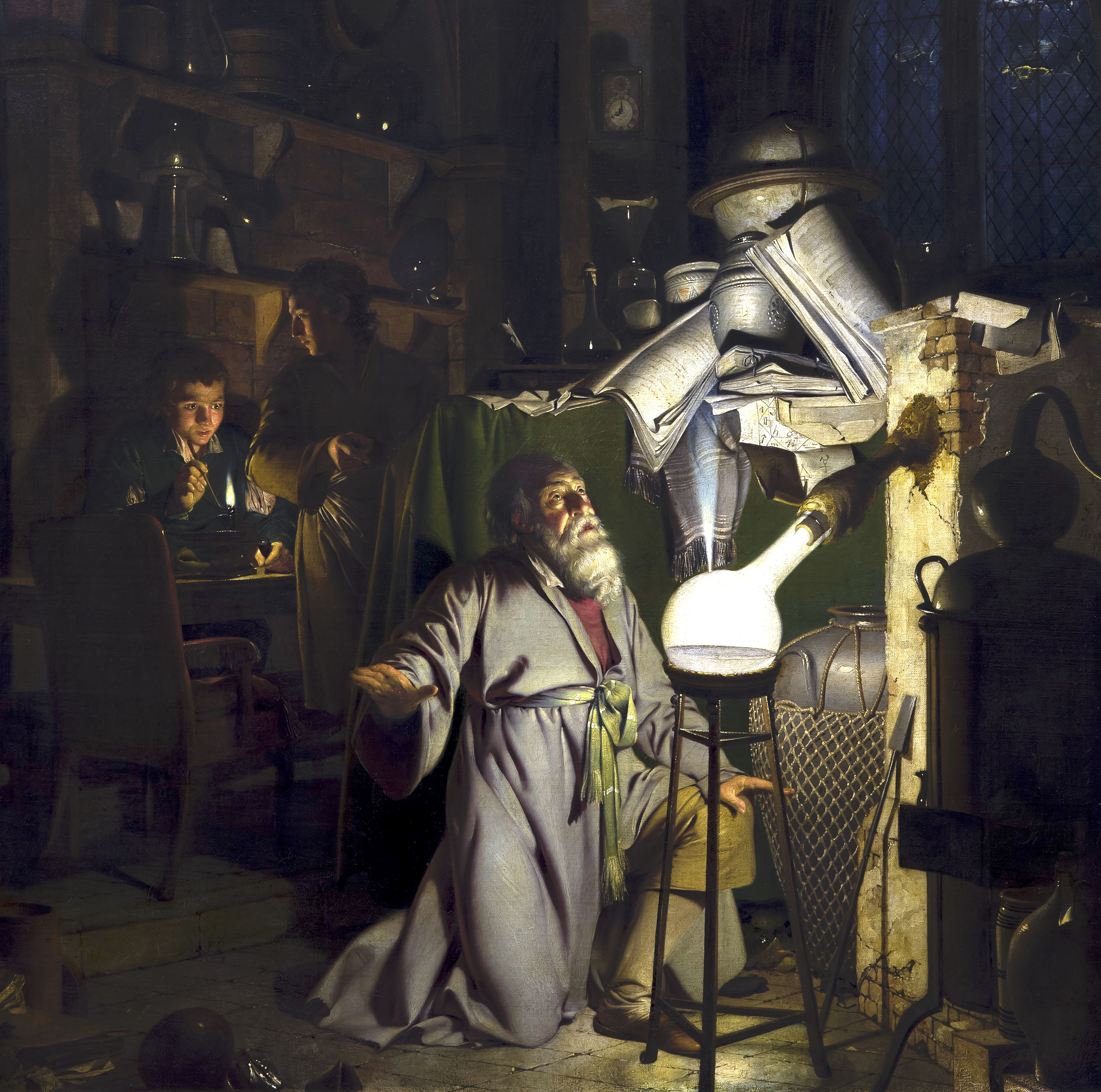
1669 |
|
Hennig Brand discovers phosphorus, Germany Hennig Brand (1630 - 1692 or 1710), Hamburg, Germany. Hennig Brand was a German alchemist. Like other alchemists of the time, Brand searched for the "philosopher's stone", a substance which supposedly transformed base metals (like lead) into gold. During his searches for developing a method of obtaining gold, around 1669 he heated residues from boiled-down urine on his furnace until the retort was red hot, where all of a sudden glowing fumes filled it and liquid dripped out, bursting into flames. He could catch the liquid in a jar and cover it, where it solidified and continued to give off a pale-green glow. What he collected was phosphorus, which he named from the Greek word for "light-bearing" or "light-bearer." https://en.wikipedia.org/wiki/Hennig_Brand This is how one of the first elements, phosphorus (o el primero no estoy seguro) fue descubierto.
This documentary seems to be nice. It explains how elements were discovered and classified and how the total number of elements was defined. In the second part of the video, the creation of the atomic bomb is explained. |